
In 2026, parents researching schools scroll through Facebook, Instagram and YouTube before they ever visit a school website. The question is no longer whether schools should use video - it's how to do it well enough to make a difference.
What does good school video actually do?
The pattern across every school video project done in Kent is consistent: when a school has a well-made video on their homepage and YouTube channel, the quality of admissions enquiries improves. Parents arrive at open days already knowing what to expect. The question at the gate shifts from "tell me about your school" to "I've watched your video - can you tell me more about the Year 3 reading programme?"
That shift matters. A parent who arrives already connected to your school is far more likely to choose it - and far more likely to tell other parents about it.
Video also gives your school a presence in search that static pages can't match. YouTube is the second largest search engine. A well-titled school video - "Whitstable primary school tour" or "open day video [your town]" - appears in search results for families actively looking for schools in your area. That's reach that no prospectus or social media post can replicate.
What types of school video actually work?
The school tour / prospectus video (2–4 minutes)
This is the workhorse of school video. A well-made prospectus video introduces your school's character, shows the physical environment, and puts faces - children, teachers, leaders - to the name. It belongs on your homepage, your admissions page, and your YouTube channel.
The mistake most schools make here is producing something that looks like a corporate documentary. The videos that convert parents are warm, specific, and honest. Real children doing real things. A teacher explaining their approach in their own words, not reading from a script.
Short social media clips (30–90 seconds)
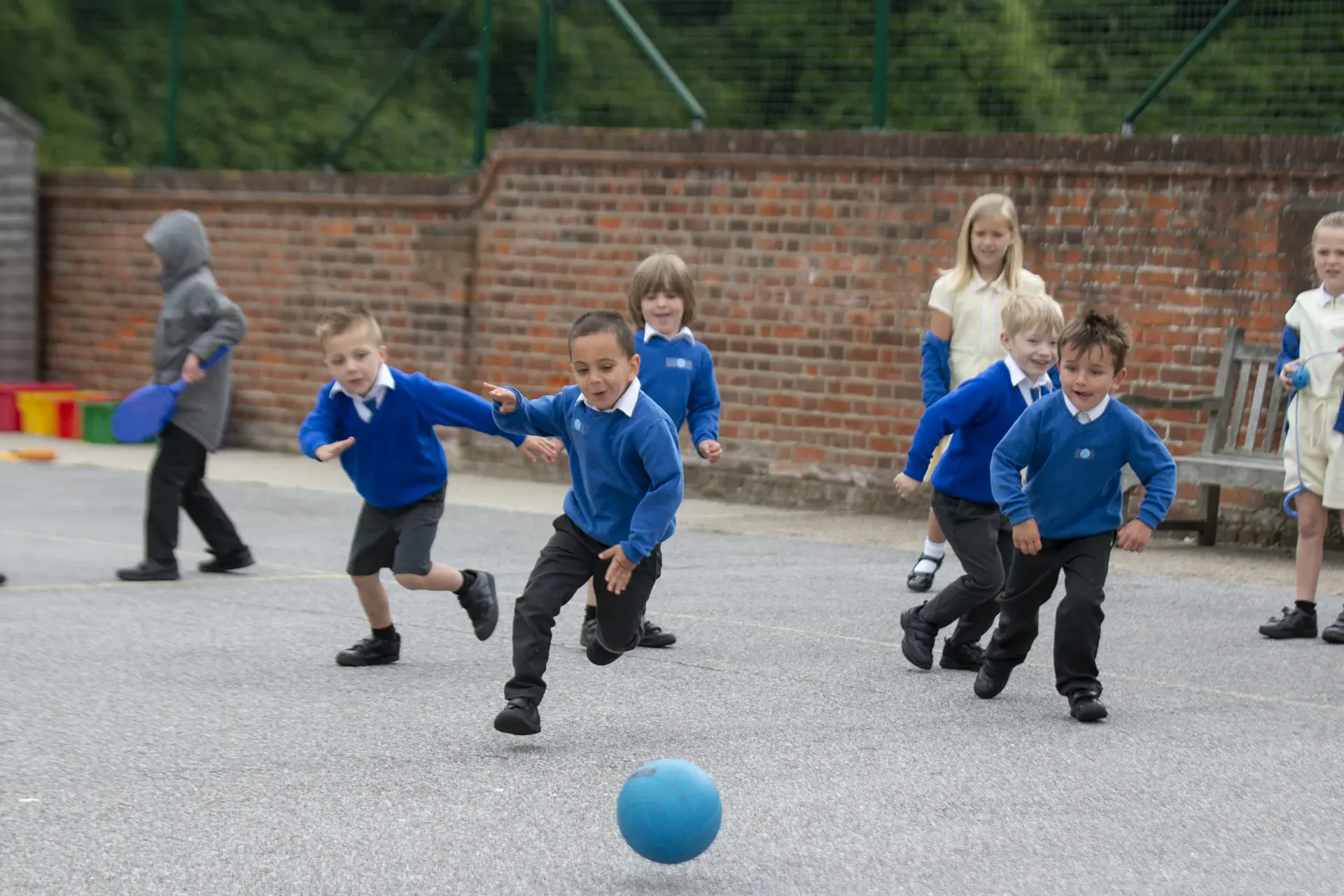
Short clips perform better than long videos on social media, consistently. A 45-second clip of your school choir, a PE lesson, or a science investigation - captioned, with your school name and location - gets shared by parents to other parents. That organic reach is worth more than any paid advertising.
These should be produced regularly - at least termly - not as a one-off. A school's social media account with active, recent video content reads as a thriving school. An account where the most recent video is from 2021 does the opposite.
Open day / event videos (1–2 minutes)
These serve a specific purpose: extending the reach of an event beyond the people who attended it. A family who couldn't make your open day because of a work clash can watch the video and still feel connected. Publish within 48 hours of the event for maximum impact.
Parent and pupil testimonials (60–90 seconds)
A parent or pupil speaking honestly about their experience of your school is one of the most credible things you can publish. These don't need to be highly produced - a simple interview setup with good audio is enough. Authenticity matters more than production values here.
What makes school video look amateur - and how to avoid it
The two most common problems with school video are:
- Poor audio. Viewers will forgive imperfect video before they'll forgive bad audio. If you can't hear the interviewee, nobody will watch it. Use an external microphone - even a lapel mic on a smartphone dramatically improves quality.
- Shaky camera work. Handheld footage works in some contexts (spontaneous social media clips) but kills credibility in a prospectus video. Use a tripod or gimbal for anything you're publishing as a formal representation of your school.
Beyond these basics, the biggest difference between school videos that convert and ones that don't is story. What is this video about? What do you want a parent to feel when it's finished? Without a clear answer to those questions, you'll produce footage but not a video.
Worth knowing
The most viewed school promotional videos aren't the ones with the biggest budgets. They're the ones with the clearest brief and the most authentic subjects. Story beats production value every time.
Where to publish your school video
Every school video should live in multiple places:
- YouTube - your own channel, optimised with your school name, location and keywords in the title and description
- Your website - embedded from YouTube rather than self-hosted (keeps load times fast)
- Facebook - uploaded natively rather than shared from YouTube (native video gets far more reach)
- Instagram - edited versions with captions, 9:16 format for Reels, 1:1 for grid posts
One video, adapted for each platform, gets significantly more reach than one video published in one place.
The ROI case for school video
A professional school video costs between £800 and £2,500 depending on duration and complexity. Against the value of one additional pupil joining your school (typically £5,000–£8,000 in per-pupil funding over primary years alone), the business case for video is strong.
Schools that invest in video consistently report seeing a meaningful difference in open day attendance and enquiry quality within one admissions cycle. That's the pattern across every school video project done in Kent.
If you're considering school video, find out about our school video production service or get in touch for a no-obligation conversation.